












Sinus Drainage: Causes and Temporary Relief
There are two alternatives for relieving drainage and most other sinus issues: Get rid of the cause of the problem and the discomfort will probably soon disappear also. Or just deal with the symptoms and continue to medicate them as they come back. If you would rather get rid of the "pain" once and for all, this site can probably offer some help. Yes, I, too, had to battle for many years with the tickling in my throat and other discomforts from drainage and other sinus issues. Fortunately that is now all gone. How did I do it? Please, read on.
The body's natural reaction is to eliminate a sinus irritation by producing additional mucus--which becomes the drainage or excssive mucus. I did not know myself much about these things until a few years ago, but I was bothered by the constant sore throat, sinus pressure, sinus congestion, sinus pain, mucus, sinus infection, that often accompanied my sinus issues and phlegm.
Now the good news: The information on the three steps I took which eliminated, permanently, all those sinus issues is now available. Please, see below:
For those seeking temporary relief only and not a permanent solution the rest of this site offers some tips.
Now, if you are really seeking permanent relief from sinus drainage, please, re-consider the publication being offered, above. It explains specific commonly unknown causes of and solutions for this annoying disorder and how to eliminate it once and for all. Many are surprised to find out how simple it can be in many cases.
Causes of sinus drainage
Environmental causes
Often the environment is responsible for the drainage and other sinus problems. For example:
Allergic reaction to such things as:
- House dust
- especially dust mite droppings
- animal dander
- bacteria
- spores
- Pollen from plants
- inside the house
- outside
- Bacteria
- Smog
- Viruses
- Dry air
- Molds
- Cold air
- Smoke
- A combination of any of those items, above
Non-environmental causes
- Sinus infection
- viral
- bacterial
- Released sinus pressure
- Smoking
- Alcoholic beverages
- Some foods
- Colds and viruses
Sinus mucus function
Sinus drainage in the form of a light, watery mucus is normal, to keep the sinus cavities and nasal cavity membranes moist. This is needed for the air cleaning and germ trapping functions of those cavities. Viruses, dust particles, harmful germs, etc., are washed down with the mucus to the back of the throat--where it is swallowed into the stomach---where the gastric acids destroy them. Otherwise they would travel down the respiratory (breathing) system and end up lodging themselves in other vital organs like the bronchi, lungs, or stay to reside in the nasal and sinus cavities. This could cause infections in those areas and sinus drainage. One should then not worry about keeping out all mucus that flows down the back of our throats. In fact, it is quite normal for the nasal and sinus cavity membranes to produce between one and two pints of mucus--"sinus drainage"--a day. This keeps our breathing machine healthy. In fact, similar amounts of mucus are also normal in animals and for the same basic reasons as ours. On the other hand, sinus pressure--the opposite of drainage--should be addressed right away to avoid the mucus from stagnating and infecting. Therefore it is smart to know a "quick fix" way of addressing sinus pressure.
Coughing up dark yellow or green snot can be a symptom of a sinus infection. So is phlegm which is a very sticky mucus produced by the lungs; when the immune system is overloaded. While mucus is produced in both the sinus and nasal cavities, phlegm is not produced in the nasal cavities. Excessive and persistent production and release of histamine through the nose--also called "hay fever"--is, on the other hand, a typical symptom of rhinitis and should not be confused with the mucus and phlegm production we have been referring to, whether it be green or yellow mucus, etc. Rhinitis per se is usually a rather innocuous condition, unless the rhinitis is accompanied by some other condition such as green mucus.
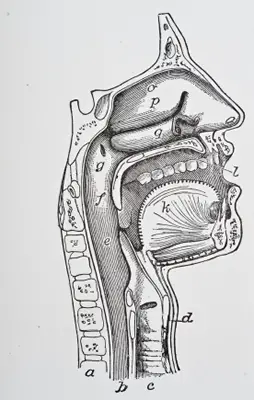
Nasal Cavity and Upper Respiratory Tract
a - vertebrae, b - esophagus, c - trachea
d - cricoid cartilage, e - laryngopharynx, f -
pharynx, g - nasopharynx, k - tongue,
l - hard palate,
o - superior turbinate,
p - middle turbinate, q - inferior turbinate
The cilia: its importance in drainage prevention
There are in the nasal passages and upper throat area, very small hair like organelles called cilia. They perform a very important sinus clearing function:
- which can prevent mucus stagnation
- sinus pressure (and bad breath)
- which in turn can lead to infection and drainage
They operate like tiny little oars moving rhythmically at 16 strokes per second. The cilia help carry the mucus laden with dust particles, germs, air pollutants, etc., to the back of the throat as already explained. Thus it is important to do nothing that would harm the cilia. Inhaling harsh chemicals, steam inhalations, nasal irrigations, which are 104F degrees or above should be avoided. They would paralyze the cilia, preventing them from carrying on their vital function. Saline solutions, with an excessive amount of sodium chloride (common salt,) should also be avoided since they could interfere, even damage, the cilia. Some experts in this area of the upper respiratory system affirm that: "Most of the upper respiratory problems including sinus infections and allergies are related to poor function of the nasal cilia . . . . ", The Allergy Relief Center, Houston, Texas' web site. Thus we should safeguard our nasal cilia.
How to stop sinus drainage -- for temporary relief
This is what I would do:
- If I were a smoker the best thing I can do is quit
- Avoid mucus producing foods
- Dark yellow or green mucus can be signs of a sinus infection
- if it has been going on for several days, I would go see a doctor
- would watch for other signs of an infection such as fever, chills, etc.
- Allergy tests can be made for suspected allergens--see previous section
- allergy skin tests are common and accurate
- desensitizing therapy is available
- allergen serums injected on a regular basis
- some OTC remedies can alleviate symptoms
- Cut back significantly on foods causing histamine and/or mucus
- There are 3 categories of food you should know which are No, No's
- "Three Steps to Sinus and Mucus Relief" has this information.
- Check for allergy to house dust
- do a preliminary test by
- breathing for a few seconds close to carpet
- see the results
- sneezing
- itchy eyes
- watery eyes
- stopped up nose
- difficulty breathing
- if any of the above--items on line 4--results is significant see a doctor
- rink substantial amounts of fluids
- plain, room temperature water
- unsweetened juices
- hot herbal teas
- Keep nasal and sinus cavities clear regularly by
- doing sinus pressure points (acupressure) A2 and B5
- taking OTC remedy: loratadine (Claritin)
- read labels carefully before taking
- consult your doctor when in doubt
- saline solution irrigations (rinse)
- to kill germs
- give moisture to sinus membranes
- Boost the immune system by:
- doing acupressure point C9
- taking natural antioxidants
- certain fruit juices and vitamin C
- Pycnogenol
- Do steam inhalations with eucalyptus oil If your nasal membranes
- are swollen most of the time and
- dripping watery mucus, you probably have rhinitis and probably need some antihistamine
- Drainage caused by a bacterial infection may require an antibiotic
- so it will not hang on indefinitely
- unaddressed it can lead to chronic sinus drainage
- so it will not infect other areas of the respiratory system
- Rest, relax, drink some herbal tea
- If drainage becomes chronic have your cervical area checked for nerve pressure impeding full nerve energy flow
- Sinus drainage can be ended and the more you know about various alternatives available the better your chances to prevail
Items 1 to 9, above, are explained in detail in Three Steps to Sinus & Mucus Permanent Relief at the end of this page. We don't fix a car that has had mechanical problems and afterward ignore maintaining it; just because we had recently fixed it. Likewise with our bodies. We need to care continually for it and avoid those things which brought about the ailment, to prevent recurrence.
Z ;l
;l
Unaddressed sinus drainage
If not addressed properly sinus drainage could lead to the following:
- Bad breath
- Throat infection or soreness
- Otitis (inflammation of the ear)
- Chronic sinus drainage
What to do for sinus
Sinus can mean more than one thing, but we would all probably agree that the term "sinus" is generally associated with sinus: drainage, congestion, infection, excessive phlegm, sinus pain, sinus pressure or a combination of them--common disorders of the sinus cavity for the most part. This is what I would consider doing:
- Keep sinuses and nasal passages clear at all times the right way
- acupressure is probably the best way
- use acupressure point at the base of the skull on the back of the neck
- right eating
- avoid cow's milk and sweets
- eating fresh fruits and vegetables promotes good sinus health
- do not allow sinus pressure or sinus congestion to go unaddressed for long
- acupressure is probably the best way
- Boost the immune system the right way
- by eating various fresh fruits, vegetables
- pomegranates are especially good
- garlic is an infection fighter and antivirus
- supplements like Pycnogenol, etc., are also used by some
- regular intake of Vitamin C is used by many
- by eating various fresh fruits, vegetables
- Sinus cavity membranes should be kept moist
- by use of a room humidifier at night
- drinking 4-6 glasses of water a day
- Reduce significantly the intake of foods
which stimulate mucus production
- fermented foods
- substantial amounts of sugar, especially in:
- soft drinks
- sugary breakfast cereals
- ice cream
- desserts
- cow's milk
- If allergic reactions are suspected
- consider allergy test of when reaction is intense
- for ocassional bouts try some OTC antihistamine
- remember that wrong foods can exacerbate an excessive mucus condition
- If smog is causing the problem carefully read the publication being offered
- Get as much information as possible on sinus issues
- Do not allow your drainage to become a chronic post-nasal drip
- Know the meaning of the color of snot, especially: pink, green and yellow
- Coughing up a dark yellow mucus can be a sign of a sinus infection
- strengthen the immune system by using an OTC remedy
- drink large amounts of water
- eat fresh garlic
- Deal with sinus congestion, sinus pressure, right away so they won't become a sinus infection, etc.
- remebember that what one eats can affect sinus health
- more than one natural remedy used simuteneously is often better than just one
- I would see the doctor whenever a sinus infection has set in
- often dark yellow and green mucus signal an infection
- especially if the drainage has continued for several days
- when there is fever accompanying it
- Consider fasting one day every two weeks to detoxify and cleanse the body and boost immune system
- if there are other health issues present a physician should be consulted before fasting
- good common sense is always recommended when fasting
- Remember that unaddressed sinus pressure can be a prelude to sinus drainage, phlegm and other sinus issues
- I would ask myself the following questions if I had a chronic sinus condition:
- did my bout with sinus come after a congestion episode?
- can I isolate a particular food I ate at the time which could be connected to it?
- what other symptoms seemed to be associated with the sinus episode?
- did my bout with sinus come after a congestion episode?
- did it come after a bout with sinus pressure?
- or did it happened after my immediate surroundings changed?
- did I work on my carpet shortly before the sinus episode?
- did I eat substantially anything different before the flare-up?
- The answers to the previous questions would help me or probably my doctor to better relieve my sinus issue
- Allergic rhinitis is not a serious condition, but can be confused with other sinus issues; antihistamine can relieve its symptoms
- Reading on sinus issues, sinus cavity, nasal cavity, etc., and getting pertinent information from other people who have been successful in dealing with sinus can be helpful.
How to prevent sinus drainage
- A balanced diet that is sinus friendly
- avoid mucus and histamine producing foods
- avoid soft drinks
- Nip sinus pressure and its symptoms, colds in the bud
- drink lots of water
- take herbals early to fight possible bacterial infection
- echinasea tea
- astragalus
- raw garlic--if you can handle it
- know the sinus pressure-yellow mucus connection
- avoid sinus pressure from becoming a chronic condition
- Physical exercise on a regular basis: 3 - 5 times a week
- Drinking lots of pure, plain, room temperature water
- Remembering the role of food in prevention and drainage control
- Keeping your sinuses clear at all times thus keeping sinus pressure out and helping to prevent sinus infection
- do not allow mucus to build up by:
- doing sinus acupressure
- using state of the arts sinus rinse
- steam inhalation
- it can help prevent sinus pressure also
- which can lead to a sinus infection and excessive mucus
- do acupressure regularly
- avoid mucus producing foods and allergens
- do not allow mucus to build up by:
- At the first sign of congestion, sinus pressure or any other sinus problem nip it in the bud
- by doing sinus acupressure--sinus pressure points
- taking some OTC remedy
How to Prevent Sinus
The close correlation between sinus and food has become clear. Yet another item deserves our attention, too: The importance of the free flow of nerve energy to all organs of our body this, of course, would include our respiratory organs. Allergic reactions, chronic sinus pressure, sinus drainage, congestion that does not go away, etc., can be helped by using the right foods, and ensuring that the flow of nerve energy from the brain to the rest of the body is free to flow without physical restriction. For example, a misaligned vertebra--which exerts pressure on the spinal cord--can bring about this undesirable restriction. When this happens different unwanted health issues, unfortunately, can emerge without apparent cause. baffling the average physician and other medical care professionals. This concept, which by the way is generally unknown, and its importance and use ares discussed in Thee Steps to Quick Sinus and Mucus Freedom.
Then we have acupressure which can effective in dealing with sinus pressure, congestion, etc., and to boost the immune system, by simple application of self-applied pressure on the right points of the body. Even rhinitis can, in some cases, can benefit from acupressure. Now we have some of those preventions concepts as part of the steps that I have found have done much for me and others for the prevention of sinus issues:
- Eating non-mucus producing foods
- sinus-friendly foods
- vegetables
- fresh fruits
- nuts
- almonds are best
- most nuts are acidic, not so with almonds
- some people have nut allergies, so watch it
- whole grains
- avoiding sinus pressure and excessive mucus producing foods
- fermented foods
- sugar, including:
- sugary breakfast cereals
- desserts
- soft drinks
- milk shakes, etc.
- refined grains and legumes
- cow's milk
- foods loaded with additives
- sinus-friendly foods
- Drink daily 5-6 glasses of water room temperature waste
- Perform some simple test to see if you are allergic to house dust
- get close to carpet or rug and snif strongly
- notice reaction:
- coughing
- watery eyes
- itchy nose
- sneezing repeatedly
- difficulty breathing, etc
- not all these symptoms need to be present
- depending on the result of the test decide next step to take if any
- Allowing full nerve energy flow--for a detailed discussion
- Self-applied acupressure
- to keep the sinuses clear
- learn 3-4 of the main sinus acupressure points locations
- do daily in the morning--just takes a few minutes
- do more often when sinus symptoms first appear
- to boost the immune system
- to keep the sinuses clear
- Nip sinus congestion, sinus pressure, drainage, sinus headache in the bud to avoid other sinus problems
Stop Sinus
- Food choice -- the correlation between sinus and some foods is clear. Such disorders as: excessive mucus, sinus headache, phlegm, pnd, sinus pressure, drainage, etc., have often been linked to the use of certain foods which can cause excessive mucus
- Nerve energy free flow -- the free flow of nerve energy to all organs of our body so they can all function properly is vital. This, of course, would include our respiratory organs. A misaligned vertebra, for example, can exert pressure on the spinal cord and bring about undesirable restriction of nerve energy flow. When this happens many different unwanted health issues can emerge, including sinus, without apparent cause; baffling physicians and other medical professionals, but without realizing the actual cause thereof. This concept, which is generally unknown, and its importance and remedy is discussed in Thee Steps to Quick Sinus and Mucus Freedom. Thus to stop sinus effectively one must go to the cause of the problem.
- Allergic reactions -- allergic reactions, such as: chronic sinus pressure sinus drainage, congestion that do not go away, etc., can be helped by eating the right foods and ensuring the free flow of nerve energy from the brain to the rest of the body. This energy should not restricted so our respiratory system can keep healthy healthy thus helping to avoid sinus.
- Acupressure -- the sinuses should be kept clear at all times. A way to clear the sinuses and avoid and stop sinus issues such as: sinus pressure, congestion, etc., and to boost the immune system is the simple application of self-applied acupressure on specific points of the body. Even rhinitis can, in some cases, can benefit from acupressure.
- Drink as much water as possible
- even better would be to drink large amount of herbal tea
- no sugary drinks
- Stop eating mucus producing foods
(excessive mucus, congestion, sinus pressure, drainage, etc.)
- fermented foods
- starchy, such as:
- white bread
- polished rice
- pastas, etc.
- cow's milk
- sugary cold cereals
- desserts
- Consider using a sinus rinse to flush out debris from nose cavity and sinuses
- saline solution are fine
- neti pots are fine
- no more than twice a day
- guard the cilia, so it can continue to move mucus in the right direction
- Fresh garlic can help prevent drainage, sinus pressure or relieve an infection in its early stage
- it is anti-bacterial and anti-viral
- allicin--garlic's active ingredient concentrate--is best
- I would try to determine the cause of the problem
if it does not go away in a few days
- allergies
- to house dust, specially dust mites droppings
- certain pollens
- chemical fumes, etc.
- depending on its intensity decide whether to seek medical help
- for a passing bout I would, initially, try an OTC antihistamine
- animal dander
- certain foods
- mucus producing
- sinus pressure producing
- congestion producing
- sinus infection
- virus, e.g., colds
- bacterial
- was it preceded by sinus pressure?
- anatomical, e.g., deviation of the nose septum
- bronchitis
- pneumonia
- allergies
- Watch the color of the mucus for signs of infection (clear mucus, yellow, green, pink)
- dark yellow usually signifies the presence of an infection
- whenever there is blood present a physician should be consulted
- did sinus pressure precede the
- I would not allow excess mucus nor sinus pressure to become chronic
- The other alternative I could follow is to take an OTC antihistaminic remedy for a few days
- monitor the results and see if mucus goes away
- if it doesn't then I would follow steps 1-8.
- Eating a proper diet can do much for sinus issues:
- sinus-friendly foods
- vegetables
- fresh fruits
- nuts
- almonds are best
- most nuts are acidic, not so with almonds
- some people have nut allergies, so watch it
- whole grains
- avoiding mucus and sinus pressure producing foods
- fermented foods
- sugar
- refined grains and legumes
- cow's milk
- foods loaded with additives
- sinus-friendly foods
- I would check for full nerve energy flow to all body organ, per publication being offered
- Self-applied acupressure
- to keep the sinuses clear
- to boost the immune system
- for sinus pressure, congestion, etc.
- for general well being
- Monitor de color of mucus for sign of sinus infection, or sinus disease, etc.
- Nip sinusitis, bronchitis, sinus pressure, drainage in the bud to try to avoid other sinus problems
Sinus issues like sinus pressure are often preventable and following conscientiously the above basic protocol could make a big difference.
The Best 3 Sinus Healing Systems:
Natural Medicine · Food · Acupressure
Combined Into One Fast-Acting
Simple
Protocol
It Works!
Unsolicited testimonials can't be wrong
Testimonials
- You are right on M. S., Md
- It really works . . . Thank you R. L., P. B., Fl
- 3 Steps to Quick Sinus & Mucus Freedom is the right thing R.D., Cusi, Fr
- I found your publication very helpful Springfield, Va
- This article really helped me, thank you so much! A.U.
- Your advise has been quite helpful, less pain M. C.
- 3 Steps to Quick Sinus & Mucus Freedom is working well K. M., L. A.
- [the publication] was quite helpful S. K., India
- My sinuses are much better. Glad I followed 3 Steps. Tks. E. W., Memp.
- The [healing herb] really helps R. L., P. B., Fl
- Amazed with reasearch. Magnificent! N. K., Forum
- It's amazing to think how many doctors, medications, and tests I've gone through in the last three years . . . your information was by far the most helpful yet! Thanks again. G. W., Parma Hts., Ohio
To Order
&
Instant eMailing
Use Any Major Credit Card
PayPal™
Will Process Your Order
For Best Secure Payment
and Protection

Only $19
If you prefer you can send a Check or Money Order
for $26.95 (overseas postal mailing US $29.95)
and I will send it by First Class Mail
